


Ayurvedic Herbs for Platelet Count Increase: Papgoat Syrup
- sarabherbs
- Aug 20, 2025
- 4 min read
Maintaining a healthy platelet count is vital for proper blood clotting, immune strength, and overall well-being. Platelets, also called thrombocytes, are small blood cells that help stop bleeding by clumping and forming plugs in blood vessel injuries. A sudden drop in platelet levels, also known as thrombocytopenia, can occur due to several reasons such as dengue fever, chikungunya, malaria, viral infections, autoimmune disorders, chemotherapy, or certain medications.
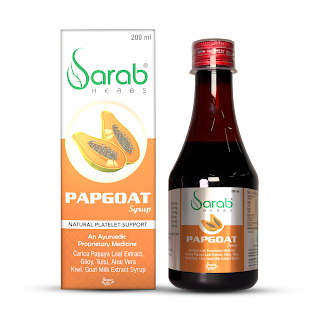
While modern medicine offers supportive treatments like platelet transfusions and medications, Ayurveda provides natural alternatives that not only boost platelet count but also strengthen the body’s immunity and vitality. One such effective herbal formulation is Papgoat Syrup, an Ayurvedic remedy designed to enhance platelet production and support recovery during fever-related illnesses.
This article explores the importance of platelets, the Ayurvedic herbs known to increase platelet count, and how Papgoat Syrup combines these herbs into a natural, effective solution.
Importance of Platelets in Health
Platelets play several crucial roles in the body:
Blood Clotting – Prevents excessive bleeding during injuries.
Wound Healing – Releases growth factors to initiate tissue repair.
Immune Response – Helps in fighting infections and inflammation.
Vascular Integrity – Maintains the stability of blood vessels.
A low platelet count can lead to symptoms like easy bruising, gum bleeding, nosebleeds, fatigue, prolonged bleeding from cuts, and in severe cases, internal bleeding.
Normal platelet count ranges between 1.5 lakh to 4.5 lakh per microliter of blood. If it drops below this, immediate medical attention is needed. Ayurveda provides several herbs that are proven to help restore healthy platelet levels naturally.
Ayurvedic Herbs That Help Increase Platelet Count
Ayurveda, the ancient Indian system of medicine, emphasizes the use of herbs to balance the doshas (Vata, Pitta, and Kapha) and restore overall health. Certain herbs are specifically known to improve rakta dhatu (blood tissue) and promote platelet regeneration.
1. Carica Papaya (Papaya Leaf Extract)
Benefit: Rich in bioactive compounds like papain, flavonoids, and antioxidants, papaya leaf extract has been scientifically studied for its ability to increase platelet count in dengue fever patients.
Mechanism: Boosts bone marrow activity and enhances the production of platelets and white blood cells.
Reference: A clinical trial published in the Journal of the Association of Physicians of India (2017) showed that papaya leaf extract significantly increased platelet count in dengue patients.
2. Tinospora Cordifolia (Giloy)
Benefit: Known as “Amrita” in Ayurveda, Giloy is a powerful immunomodulator.
Mechanism: Enhances immunity, supports liver function, and helps fight viral infections that lower platelet count.
Reference: Research in Phytotherapy Research has shown that Giloy exhibits hepatoprotective and anti-inflammatory properties.
3. Ocimum Sanctum (Tulsi / Holy Basil)
Benefit: Acts as a natural adaptogen, stress reliever, and immune booster.
Mechanism: Tulsi helps maintain healthy platelet levels and prevents oxidative stress caused by infections.
4. Punica Granatum (Pomegranate)
Benefit: Rich in iron, antioxidants, and vitamins.
Mechanism: Helps in improving hemoglobin levels and supports platelet formation.
5. Wheatgrass (Triticum Aestivum)
Benefit: A powerhouse of chlorophyll, vitamins, and minerals.
Mechanism: Improves red and white blood cell count and supports bone marrow regeneration, indirectly helping platelet production.
6. Boerhavia Diffusa (Punarnava)
Benefit: Known for its anti-inflammatory and diuretic properties.
Mechanism: Supports liver health and detoxification, which is essential for platelet formation.
7. Goat Milk Extract
Benefit: Traditionally used in Ayurveda for strengthening immunity and vitality.
Mechanism: Provides essential proteins and micronutrients that accelerate recovery in fever-related thrombocytopenia.
Papgoat Syrup: A Natural Ayurvedic Remedy for Platelet Boost
Papgoat Syrup is a unique Ayurvedic formulation crafted with the synergy of these powerful herbs. It is specifically designed to address low platelet counts due to fever-related illnesses such as dengue, chikungunya, and malaria.
Key Benefits of Papgoat Syrup:
Boosts Platelet Count Naturally – Enriched with papaya leaf and giloy, it enhances platelet regeneration.
Strengthens Immunity – Tulsi and wheatgrass help the body fight infections effectively.
Supports Liver Health – Punarnava and giloy detoxify and improve liver function, which is vital for blood health.
Reduces Fatigue & Weakness – Pomegranate and goat milk provide natural energy, vitamins, and minerals.
Safe and Natural – Free from harmful chemicals and steroids, making it suitable for long-term use.
Dosage (General Recommendation)*
Adults: 2 teaspoons twice daily after meals.
Children: 1 teaspoon twice daily after meals.
(*Dosage may vary; consult an Ayurvedic physician for personalized advice.)
Bottom Line
Low platelet count can be a serious health concern, especially during viral infections like dengue and malaria. Instead of relying only on synthetic medicines, Ayurveda offers natural, holistic solutions to enhance platelet levels, boost immunity, and restore energy.
Papgoat Syrup, enriched with papaya leaf extract, giloy, tulsi, pomegranate, wheatgrass, punarnava, and goat milk, provides a comprehensive herbal remedy for platelet support. Its unique formulation not only helps increase platelet count but also strengthens the body’s overall defense system.
For individuals seeking a safe, effective, and natural approach to restore platelet health, Papgoat Syrup is a trusted Ayurvedic choice.
Brought to you by SarabHerbs®, a name committed to delivering authentic Ayurvedic wellness solutions.


Comments